Home Health 1 Health 2 Search GLOBAL RESET
2PCS Silicone Cupping Suction Massage Cup Blue Eye massage, anti-aging, easy operation
2PCS Silicone Cupping Suction Massage Cup Pink Eye massage, anti-aging, easy operation
2PCS Silicone Cupping Suction Massage Cup opaque Eye massage, anti-aging, easy operation
shoe foot measure ruler blue<br /> Child's feet are growing every day thus, measure the size of the foot, in case the shoes are tight and not big enough.<br /> <br /> Material: ABS<br /> Adjustable range: 0-20cm/0-7.87in<br /> Suitable for Age: 0-8 Years Old<br /> Size:23X8cm (9.0X3.1")<br /> </p>
shoe foot measure ruler pink<br /> Child's feet are growing every day thus, measure the size of the foot, in case the shoes are tight and not big enough.<br /> <br /> Material: ABS<br /> Adjustable range: 0-20cm/0-7.87in<br /> Suitable for Age: 0-8 Years Old<br /> Size:23X8cm (9.0X3.1")<br /> </p>
shoe foot measure ruler teal<br /> Child's feet are growing every day thus, measure the size of the foot, in case the shoes are tight and not big enough.<br /> <br /> Material: ABS<br /> Adjustable range: 0-20cm/0-7.87in<br /> Suitable for Age: 0-8 Years Old<br /> Size:23X8cm (9.0X3.1")<br /> </p>
shoe foot measure ruler yellow<br /> Child's feet are growing every day thus, measure the size of the foot, in case the shoes are tight and not big enough.<br /> <br /> Material: ABS<br /> Adjustable range: 0-20cm/0-7.87in<br /> Suitable for Age: 0-8 Years Old<br /> Size:23X8cm (9.0X3.1")<br /> </p>
shoe foot measure ruler green<br /> Child's feet are growing every day thus, measure the size of the foot, in case the shoes are tight and not big enough.<br /> <br /> Material: ABS<br /> Adjustable range: 0-20cm/0-7.87in<br /> Suitable for Age: 0-8 Years Old<br /> Size:23X8cm (9.0X3.1")<br /> </p>
Pedicure Foot Care Set Blue
If you've ever had trouble with ingrown toenails then you know how much of a pain they can be.<br /> This Ingrown Toenail Fixer features two prongs plus a screw mechanism, to effectively relieve the pain in less than 30 minutes.<br /> <br /> First, fix the prongs around the underside of the nail, then tighten the screw mechanism in place.<br /> Next, place your foot into some warm water to soak for 20 minutes while the device gets to work.<br /> Once the nail has softened, tighten the device some more, then dry the nail with a hairdryer.<br /> Finally, remove the prongs and enjoy your pain-free toenails.<br /> <br /> Best before bedtime. <br /><br /> Introduction:<br /> Lever mechanics to ultimately change the angle of nail growth.<br /> 1. Disinfect hands, toenails and tools before treatment.<br /> 2. Hook both sides of the ingrown toenail with the two hooks.<br /> 3. Use one hand holding the middle fulcrum of the tool, twisting the nut to fix the equipment on the toenail with the other hand.<br /> 4. Slowly intensify, till there is a sense of expansion (no pain). <br /> 5. Soak feet in warm water when adjusting to soften the nail.<br /> 6. Intensify slightly for every 10 minutes<br /> 7. 30 minutes later,take the feet out of the water, wait for 15 minutes to dry feet.<br /> 8. Remove the equipment, the toenail is reshaped, position, stuff some medical cotton under the tilted nails to prevent rebound.<br /> <br /> Caution!<br /> 1. For patients with severe ingrown toenails, professional treatment is recommended, don't correct it by yourself.<br /> 2. Toes must be soaked for 10 minutes before applying the first intensity to the nail.<br /> 3. For one sided ingrown toenail, please adjust the equipment to the appropriate angle, to guard against damaging the other health side.<br /> (only intensify the adjustment to the ingrown toenail side)<br /> 4. Intensify gently for thin toenail.<br /> 5. Normally take the correction every 5-15 days, which would usually result in a cure in 1-4 months, if the use it more frequent than recommended, please take caution with the adjustment strength to avoid harm.<br /> 6. Best treatment time: before bedtime, to avoid rebound due to the pressure of shoes worn during the day.<br /> 7. Please use some anti-inflammatory drugs if the skin is damaged.<br /> 8. Please wear loose fitting footwear.
4 piece Anti Snoring Bruxism thermoplastic copolymer Sleeping Mouth Guard Tray Gum Shield. NO BOX. Stop Teeth Grinding Sleep Aid. Also ideal for teeth whitening.
Super Comfy Soft Slippers Asian size 44-45. One piece, very comfortable, 3.5cm thickened EVA, unisex elastic anti-skid sole, slippers sandals which are wear-resistant, light and aborbent with foot pressure relief. This is Asian size 44-45 which translates to UK size 10 for size 9 feet. A size larger is recommended fat or wide feet.
The Health Benefits of Hydrogen Water:<br /> 1) Hydrogen Water is an Antioxidant and Prevents Brain Damage<br /> 2) Hydrogen Water May Improve Mood Disorders<br /> 3) Hydrogen Water Suppresses Inflammation<br /> 4) Hydrogen Water Reduces Muscle Fatigue, Motor Deficits, and Muscle Degeneration<br /> 5) Hydrogen Water Prevents Metabolic Syndrome<br /> 6) Hydrogen Water May Help in Weight Loss<br /> 7) Hydrogen Water Enhances Mitochondrial Function<br /> 8) Hydrogen Water Treats Diabetes<br /> 9) Hydrogen Water May Treat Metabolic Acidosis<br /> 10) Hydrogen Water May Prevent Cancer<br /> 11) Hydrogen Water Reduces Side Effects of Cancer Treatments<br /> 12) Hydrogen Water Boosts Skin Health<br /> 13) Hydrogen Water Enhances Would Healing<br /> 14) Hydrogen Water Limits Damage of Transplant Organs<br /> 15) Hydrogen Water Improves Bladder Dysfunctions<br /> 16) Hydrogen Water is Cardio-Protective<br /> 17) Hydrogen Water Protects the Eye<br /> 18) Hydrogen Water Prevents Hearing Loss<br /> 19) Hydrogen Water Combats Allergy<br /> 20) Hydrogen Water Ameliorates Kidney Disease<br /> 21) Hydrogen Water Protects the Liver<br /> 22) Hydrogen Water Promotes Gut Health<br /> 23) Hydrogen Water Protects the Lung<br /> 24) Hydrogen Water is Radioprotective<br /> 25) Hydrogen Water Relieves Pain<br /> 26) Hydrogen Water May Prolong Lifespan<br /> 27) Hydrogen Water is Antibacterial and May Promote Oral Health<br /> <br /> Hydrogen water contains hydrogen molecules that act as powerful antioxidants. These molecules help neutralize oxygen free radicals that contribute to disease development, inflammation, and aging.<br /><br /> In our body, Oxygen molecules split into single atoms with unpaired electrons, causing the atom to become unstable; also known as free radicals. Electrons like to be in pairs, so these free radicals, scavenge the body to seek out other electrons so they can become a pair. This causes damage to cells, proteins and DNA leading to inflammation, illnesses and aging. <br /> Anti-oxidants such as vitamin E and C can contain the free radicals to a certain extent. Not that you should not exercise as it's beneficial for one's wellbeing but too much exercise with poor nutrition also produces unchecked free radicals as does excess anti-oxidants which becomes pro oxidative contributing to increased oxidative stress which in turn perpetuates the vicious cycle of the formation of free radicals. <br /><br /> Another manner in which one can counteract the 'bad' oxygen atoms in our body is to expose them to free Hydrogen molecules in the form of hydrogen rich water.<br /><br /> DO NOT USE CHLORINATED TAP WATER TO PRODUCE YOUR HYDROGENATED WATER <br /> WORKS BEST WITH ANY CHLORINE FREE SPRING WATER OR PURIFIED WATER<br /><br /> Material: Borosilicate Glass<br /> Power Supply: DC 5V 1A (Please note: do not use Samsung chargers at 9.6Volts)<br /> Maximum Power:2W (charged via USB port)<br /> Maximum Capacity:500ML<br /> Net Weight: 750g<br /> Hydrogen Concentration Range:600-1000 PPb<br /> Water Temperature Requirement:1-40 Centigrade<br /><br /> Everything in moderation. Anything in excess, good or bad, is bad for you. <br /> <a href=https://www.facebook.com/media/set/?vanity=anver&set=a.10227552975190103 target="new">My Water Journey</a><br />
Summary:<br /> Volatile Organic Compounds:<br /> Exposure to vapours can cause a variety of health issues, including eye, nose, and throat irritation; headaches and loss of coordination; nausea; and damage to the liver, kidneys, or central nervous system and cancer.<br /> <br /> Particulate Matter:<br /> High levels can result in a number of health issues from asthma, bronchitis, to high blood pressure, heart attack, strokes and premature death.<br /> Exposure to fine particulate matter can penetrate and lodge deep inside the lungs and enter the blood system, damage the inner walls of arteries, penetrate tissue in the cardiovascular system and potentially spread to organs.<br /> <br /> O3: Excessive ozone in the air can cause breathing problems, trigger asthma, reduce lung function and cause lung diseases. Ozone levels of 5ppm or higher are considered immediately dangerous to life or health.<br /> <br /> TVOC = Total Volatile Organic Compounds.<br /> Should be below 0.3mg/m3 or 300ug/m3 to be safe but even up to 0.5mg/m3 would be acceptible. Anything above that is not good.<br /> A typical house indoors will display no more than 0.15mg/m3 TVOC<br /> <br /> Common examples of VOCs that may be present in our daily lives are: benzene, ethylene glycol, formaldehyde, methylene chloride, tetrachloroethylene, toluene, xylene, and 1,3-butadiene, Acetic Acid, Butanal.<br /> <br /> Sources of VOCs: paints, paint strippers and other solvents. wood preservatives. aerosol sprays. cleansers and disinfectants. moth repellents and air fresheners. stored fuels and automotive products. vinegar.<br /> <br /> While candles, barbecues and gas stoves all make for a nice home, they also increase the presence of butanal, one of the most common volatile organic chemicals also found in cigarettes.<br /> dry-cleaned clothing.<br /> Alcohol in santisers ie isopropanol is a common solvent for home and professional use. It’s often used as a disinfecting agent, and it also evaporates quickly, making it easy for large amounts to build up in the home. Make sure to have proper ventilation to maintain air quality. Formaldehyde is very common and used as a preservative.<br /> Nail polish contains harsh solvents such as acetone which is also used in furniture polish and wallpaper.<br /> Benzene is found in paint, glue, carpeting, etc.<br /> Carbon Disulfide is found in chlorinated water.<br /> Dichlorobenzene found in mothballs and deodorizers.<br /> Terpenes found in fragrant products such as soap or laundry detergents.<br /> Toluene and Xylene found in paints. The traffic markings in the road are toulene based; other fast drying paints are also xylene based. Xylene is also found in car emissions so it's unavoidable when out on the road.<br /> <br /> Some compounds produced by molds have strong smells and are volatile and quickly released into the air. These compounds are known as microbial volatile organic compounds (mVOCs)<br /> Exposure to VOC vapours can cause a variety of health issues, including eye, nose, and throat irritation; headaches and loss of coordination; nausea; and damage to the liver, kidneys, or central nervous system. Some VOCs are suspected or proven carcinogens.<br /> <br /> Airing an house to rid of VOC's might not be as effective as one assumes as certain chemicals stick to walls and the only way to remove them would be by cleaning the walls.<br /> <br /> pm2.5 pm10 pm1.0<br /> Particulate Matter (PM) Basics<br /> <br /> Ambient (outdoor) air pollution in both cities and rural areas was estimated to cause 4.2 million premature deaths worldwide per year in 2016; this mortality is due to exposure to fine particulate matter of 2.5 microns or less in diameter (PM2.5), which cause cardiovascular and respiratory disease, and cancers. It affects more people than any other pollutant.<br /> <br /> The major components of PM are sulfate, nitrates, ammonia, sodium chloride, black carbon, mineral dust and water. It consists of a complex mixture of solid and liquid particles of organic and inorganic substances suspended in the air. While particles with a diameter of 10 microns or less, (≤ PM10) can penetrate and lodge deep inside the lungs, the even more health-damaging particles are those with a diameter of 2.5 microns or less, (≤ PM2.5). PM2.5 can penetrate the lung barrier and enter the blood system.<br /> <br /> PM1 particles travel to the deepest area of the lungs, where a significant part of them passes through the cell membranes of the alveoli (the millions of tiny sacs in our lungs where O2 and CO2 are exchanged), enter the bloodstream, damage the inner walls of arteries, penetrate tissue in the cardiovascular system and potentially spread to organs.<br /> <br /> Most studies indicate PM2.5 at or below 12 μg/m3 is considered healthy with little to no risk from exposure. If the level goes to or above 35 μg/m3 during a 24-hour period, the air is considered unhealthy and can cause issues for people with existing breathing issues such as asthma.<br /> <br /> Example sizes: dust:9um<br /> red blood cells: 7-8um<br /> Technically, there isn't a safe level of PM10, as any amount of particulate matter in your air isn't a good thing. Keeping your exposure to PM10 concentrations below 54.0 µg/m³ is the best way to prevent any short or long-term health effects from developing.<br /> Less than 40 is considered Good.<br /> 80-120 is fair with 120-300 very poor and more than 300 extremely poor.<br /> <br /> Some common examples of PM10 are:<br /> Mold spores. Bacteria. Dust. Smoke. Airborne viral particles.<br /> <br /> Exposure to high concentrations of PM10 can result in a number of health impacts ranging from coughing and wheezing to asthma attacks and bronchitis to high blood pressure, heart attack, strokes and premature death.<br /> <br /> PM1 are extremely fine particulates with a diameter of fewer than 1 microns and may potentially be more harmful to human health. Examples: dust, combustion particles, bacteria and viruses.<br /> <br /> Pollution Control Boards are yet to prescribe safe standards for PM 1.<br /> Studies concluded that the majority of PM1.0 originated from the same sources as PM2.5, and measurement of PM1.0 did not yield significant new information to add to that obtained from the PM2.5 method. However, Lundgren et al. (1996), who conducted the sampling with a trichotomous sampler in Phoenix, Arizona, USA, claimed that PM1.0 was a better indicator for a roadside microenvironment than PM2.5, because, compared with PM2.5 and PM10, it minimized interference from natural sources.<br /> <br /> O3<br /> Ozone at ground level – not to be confused with the ozone layer in the upper atmosphere – is one of the major constituents of photochemical smog. It is formed by the reaction with sunlight (photochemical reaction) of pollutants such as nitrogen oxides from vehicle and industry emissions and volatile organic compounds (VOCs) emitted by vehicles, solvents and industry. As a result, the highest levels of ozone pollution occur during periods of sunny weather.<br /> <br /> Excessive ozone in the air can have a marked effect on human health. It can cause breathing problems, trigger asthma, reduce lung function and cause lung diseases.<br /> <br /> Recommended exposure limit for ozone is 0.2mg/m3 or 0.075ppm. Ozone levels of 5ppm or higher are considered immediately dangerous to life or health.
View Shopping Cart PAGE 1 PAGE 2
BACK TO THE TOP
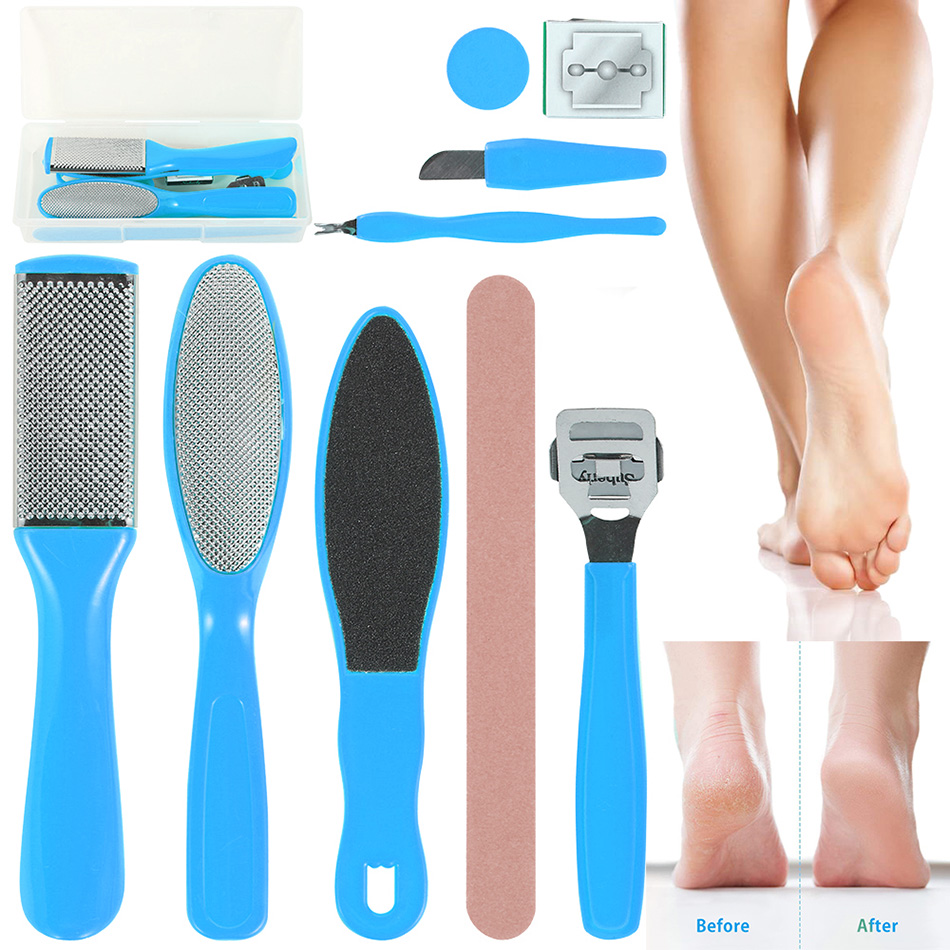 Pedicure Foot Care Set Blue
 Ingrown toenail Correction Tool and Paronychia relief tool
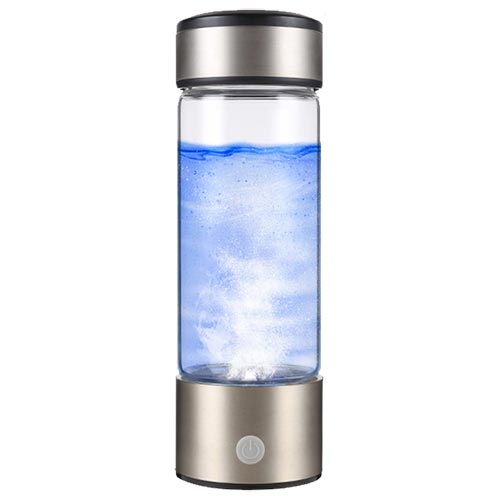 Portable Hydrogen Rich Water Generator 480-500ml
 8 in 1 Air Quality meter O3 monitor
